
Tips & How-To
How to Tell if a Handmade Gift Is Really Made by the Seller
Oct
TL;DR
You can spot a real maker by checking for original photos, specific descriptions and a shop range that fits what one studio could actually produce.
- Run a reverse image search on product photos, and be wary if the same image shows up across many unrelated shops.
- Look for descriptions that explain materials, method, finish and care in plain detail rather than vague phrases like "premium quality."
- Step back and view the whole catalogue, since a consistent style suggests one workshop while wildly unrelated goods often point to reselling.
Why Handmade Claims Deserve a Closer Look
Buying a handmade gift feels personal. You’re paying for someone’s time, skill and care. You’re also hoping the person on the other end actually made the thing you’re about to wrap and give away. That’s why it’s worth learning how to check handmade products before you hand over your money.
Here’s the tricky part. The word “handmade” isn’t regulated in most places. Anyone can put it in a listing. Some sellers use it honestly, while others stretch it to cover goods they simply resell. From the outside, those two kinds of shops can look a lot alike.
Every mug, tumbler and coaster at LC Designs is printed, sublimated and finished in our own studio, so you know exactly who made your gift.
Learn more →None of this means you should be suspicious of every maker. Most small sellers are proud of their work and happy to show it. Plenty of us would talk your ear off about our process if you let us. The goal is just to spot the difference with confidence, so you can pick out a handmade gift without second-guessing.
A little know-how goes a long way here. With a few simple checks, you can tell a real studio from a storefront that’s only passing goods along. None of these checks take long, and most of them you can do from your couch in a few minutes before you choose a handmade gift.
Study the Photos Carefully
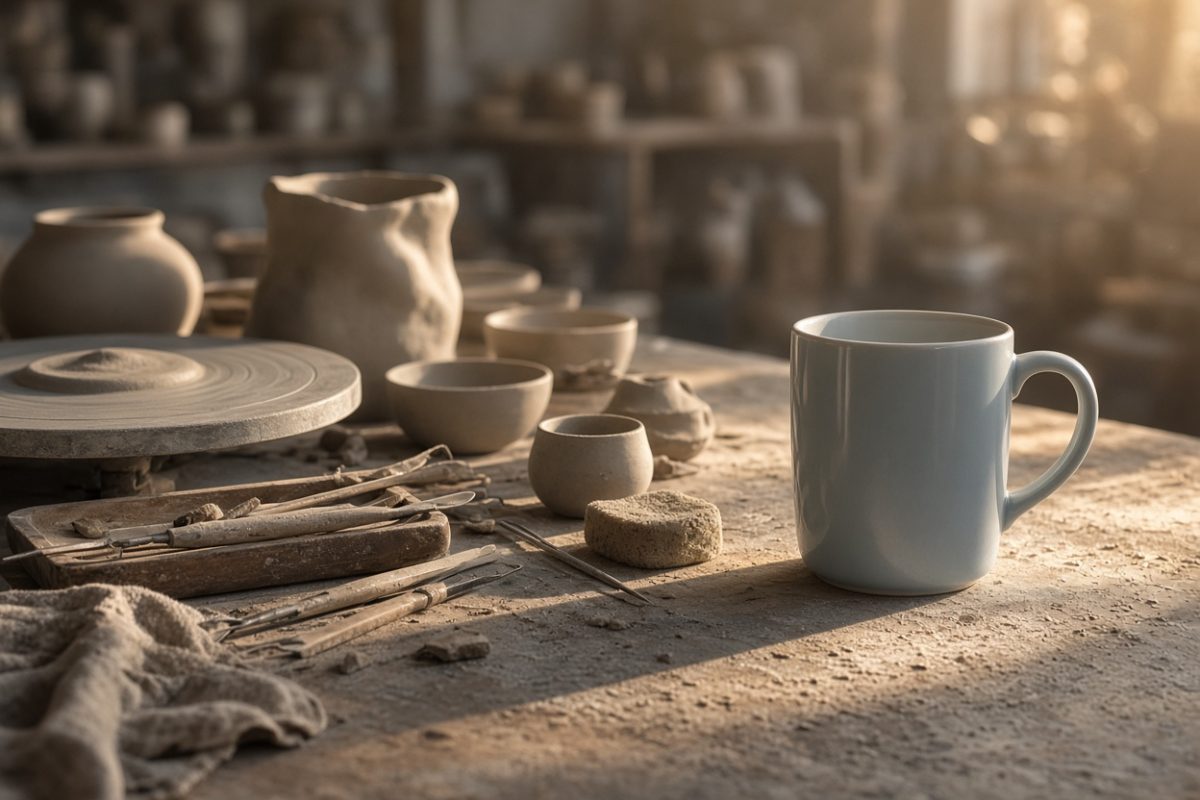
Photos are often the first clue. Genuine makers tend to show their own work in their own spaces. Look for consistent lighting, backgrounds and props across many listings. If the same table, the same shelf or the same window light keeps popping up, that’s a good sign one person is taking those pictures.
On the other hand, stock-style images can be a warning sign. If every photo looks glossy, staged and identical to others you’ve seen, pause. The same image might appear in dozens of shops, each one claiming the item as their own.
A reverse image search can help. Upload a product photo and see where else it shows up. If it appears on many unrelated shops, the item likely isn’t made by that seller. It only takes a minute, and it’s one of the quickest ways to clear up a doubt about a handmade gift.
Real makers often show small variations between pieces. Slight differences in colour or finish are normal when things are printed and finished by hand in a small studio. They also might share process shots, like work in progress or tools on a bench. Those little peeks behind the curtain are hard to fake.
- Consistent backgrounds across listings
- Process or behind-the-scenes images
- Natural variation between similar items
- Photos that don’t appear elsewhere online
Read the Descriptions Like a Detective
Product descriptions reveal a lot about a handmade gift. A maker usually knows their materials inside and out. They’ll explain how something is made in plain, specific language, because they’ve done it themselves more times than they can count.
For that reason, vague wording is worth noticing. Phrases like “high quality” or “premium materials” say very little. Look instead for details about method, finish and care. For example, a good coaster listing might tell you it’s ceramic with a sealed gloss face and a cork backing, and that the face wipes clean. That’s the kind of detail someone only knows if they’ve handled the thing.
Honest sellers also describe limits. They’ll tell you what a product is and what it isn’t. A coaster with a sealed printed face isn’t going to soak up drips, and a straight-talking maker will say so. A listing that promises everything should make you curious, not excited.
Check whether the description matches the photos. Mismatched sizes, colours or materials can mean copied text. It can also mean the seller doesn’t handle the item themselves. If a mug is listed as one size in the title and another in the description, it’s fair to wonder who wrote it.
Look at the Shop as a Whole
Step back from the single item and view the full catalogue. A real maker’s shop usually has a clear style or theme. The pieces feel like they came from the same hands, even when they’re different kinds of products.
Be cautious if a shop sells wildly unrelated goods. Phone cases, garden tools and jewellery side by side rarely come from one workshop. That pattern often points to reselling. A maker’s range tends to grow out of the tools and skills they already have.
That said, a big catalogue isn’t a red flag on its own. Some makers carry hundreds of designs because they work in themes. A shop might offer the same dog breed across earrings, mugs, tumblers and coasters, all printed in one studio. What you’re looking for is whether the range makes sense together.
Production methods should make sense for the range, too. One person can’t hand-carve thousands of unique items overnight. Ask yourself whether the volume fits the claimed process. Printing and sublimation can turn out more pieces than carving can, and an honest maker will tell you which method they use.
Read the “about” section too. Makers often share how they started and why they love their craft. A story with real detail tends to be more trustworthy than a generic paragraph. Something like “this shop grew out of two hobbies, crafting and 3D printing” tells you far more than “we’re passionate about quality.”
- Does the catalogue have a consistent style?
- Does the product range fit one workshop?
- Is the maker’s story specific and believable?
Understand Licensing and Mixed Methods
Handmade isn’t always simple. Many makers combine hand finishing with tools like printers or kilns. That’s still genuine work if they do it themselves. A 3D printer doesn’t make earrings on its own, and a sublimation press doesn’t load and finish a mug by itself.
Some makers also license artwork from other creators. They print and finish it in their own studio. That’s honest, as long as they’re clear about it. The artist gets credit and paid, and the maker still does the actual making.
The real question is who produces the handmade gift you’re buying. Is the seller making it, or buying it finished from somewhere else? Licensing and machinery don’t change that answer. A shop that prints licensed designs in-house is a maker. A shop that orders finished goods and relists them isn’t.
Don’t dismiss a maker for using modern tools. Many crafts have always relied on equipment. Potters use kilns, woodworkers use saws, and jewellers use all sorts of gear. What matters is transparency about how the piece comes together.
Why It Matters When You’re Choosing a Handmade Gift
So why go to all this trouble? Because a handmade gift carries a little story with it. When you give someone a mug or a pair of earrings with their dog’s breed on it, part of the charm is knowing a real person printed and finished it.
Also, buying straight from the maker means your money goes to the person doing the work. It keeps a small studio running and lets them keep adding new designs. That’s a nice thing to know when you hand over a handmade gift.
Finally, it saves you from disappointment. A handmade gift that looks nothing like the photo is a letdown for everyone. A few quick checks up front make it much more likely that what arrives is what you expected.
Ask Questions and Trust the Answers
When in doubt about a handmade gift, simply ask. A genuine maker can usually explain their process quickly. They might mention materials, steps or how long a piece takes. You don’t need to know anything about printing or ceramics yourself to tell whether the answer sounds real.
Pay attention to the tone of the reply. Real makers often sound enthusiastic about their craft. Evasive or copy-pasted answers suggest the seller doesn’t know the product well. If you ask how something’s finished and get a cheerful, detailed reply, that’s usually a good sign.
Reviews can add useful context. Look for comments about quality, packaging and consistency. Buyers often notice when items look nothing like the photos, and they’re rarely shy about saying so.
Shipping details can be telling too. Very long, vague delivery windows sometimes mean goods come from a distant supplier. A maker usually knows roughly when they’ll ship, since they’re the one packing the box.
Taken together, these clues paint a clear picture. No single sign proves anything, but patterns rarely lie. Careful looking is the most reliable way to find work that’s truly made by the person selling it, and to give a handmade gift you can feel good about.
→Shipping Deadlines: When to Order Handmade Gifts for December→Last-Minute Hostess Gifts That Don't Look Last-Minute
Frequently Asked Questions
Is the word "handmade" regulated, or can any seller use it?
In most places, "handmade" isn't a regulated term, so anyone can put it in a listing. Many sellers use it honestly, but some stretch it to cover goods they simply resell. That's why it's worth doing a few quick checks before you buy.
How can I use product photos to tell if a seller really makes their items?
Genuine makers usually photograph their own work in their own spaces, so look for consistent lighting, backgrounds and props across listings. Process shots, like work in progress or tools on a bench, are a good sign too. Glossy, staged images that look identical to ones you've seen elsewhere are worth a second look.
What's a reverse image search and how does it help verify a handmade product?
A reverse image search lets you upload a product photo and see where else it appears online. If the same image shows up in many unrelated shops, the item likely isn't made by that seller. Photos that don't appear anywhere else are a much better sign.
Are small differences between pieces a bad sign?
Not at all. Slight variations in colour or finish between similar items are normal for handmade work. They often show that each piece was produced individually rather than mass-produced.
What should I look for in a product description?
A real maker usually knows their materials well and explains method, finish and care in plain, specific language. Vague phrases like "high quality" or "premium materials" say very little. Also check that sizes, colours and materials in the text match the photos, since mismatches can point to copied descriptions.
How does LC Designs make its products?
LC Designs grew out of two hobbies brought together, crafting and 3D printing. Everything is produced in-house, with printing, sublimation and finishing all done in the studio, and no finished goods are bought in for resale. Some designs are licensed from other creators and printed under those licences.

