
Industry Insights
Matte Textures in Decor: Why Shine Fell Out of Favour
Sep
TL;DR
Matte finishes took over home decor because flat surfaces scatter light, calm busy rooms and let shape and colour read clearly.
- Gloss earned its place by sealing ceramics and signalling newness, but that status association has faded.
- Matte scatters light instead of reflecting it, so contours and edges stay readable and colours look softer and dustier.
- Flat finishes suit today's homes: more screens, open-plan sightlines, warm LED lighting and constant phone photos that gloss ruins with glare.
The Quiet Rise of Matte
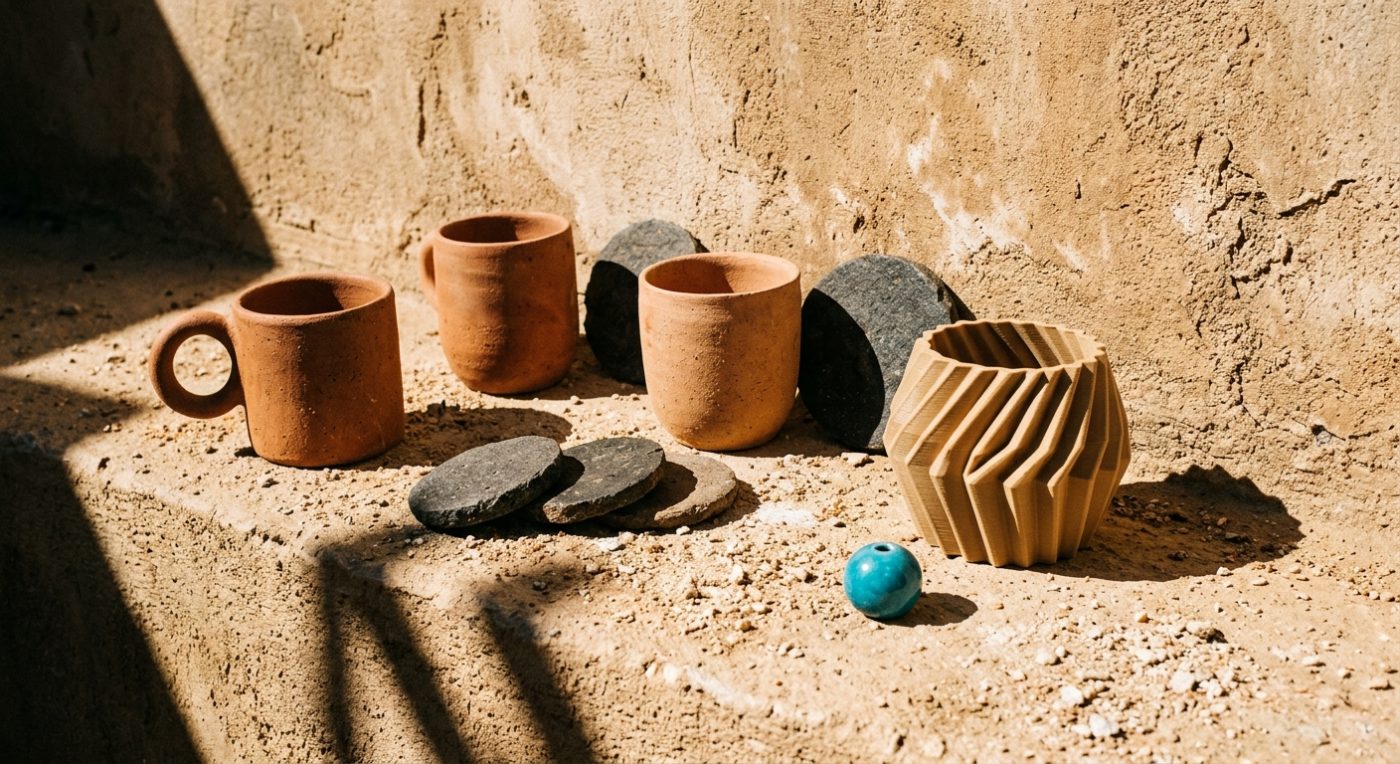
Walk into almost any room styled in the last few years and you’ll spot matte textures in decor everywhere. The gloss is gone. Matte home decor has taken over shelves, mantels and side tables, and it happened without much fanfare.
It wasn’t a single trend that did it. It was a slow shift in how people wanted their homes to feel. Softer. Calmer. Less like a showroom.
If matte finishes are what you're drawn to, browse the handcrafted sculptures, statues and 3D printed decor at lcdesigns.cc and find a piece that suits your space.
Learn more →Shine used to mean value. A high-gloss finish signalled that something was new, expensive and cared for. That association ran deep for decades.
Now the opposite reads as premium. A flat, chalky surface looks considered. It looks like someone chose it on purpose, which is part of why matte textures in decor keep spreading.
Why Shine Ruled for So Long
Gloss has a practical history. Glazes were developed to seal ceramics and make them waterproof. Shine was a side effect of something useful.
Then it became a status symbol. Polished brass, lacquered wood and mirror-bright porcelain all told visitors the same thing. This household had money and time.
Photography helped too. For most of the twentieth century, print catalogues and magazines needed objects that caught the light. Gloss photographed beautifully under studio lamps.
So designers leaned into it. Whole decades of decor were built around reflection, sparkle and highlight, long before matte textures in decor had any real foothold.
A few things gloss did well:
- Sealed porous surfaces against water and stains
- Made colours look deeper and more saturated
- Photographed with drama under bright lighting
- Signalled newness and cleanliness
- Bounced light around small or dark rooms
What Changed in the Way We Live
Homes got busier. More screens, more cords, more visual noise competing for attention. A glossy object adds another reflective surface to an already reflective room.
Open-plan spaces made this worse. One big room doing four jobs means more stuff in your sightline at once. Flat finishes let your eye rest.
Lighting changed as well. Warm LEDs and layered lamps replaced single harsh overheads. Gloss can look hard under that kind of light, while matte just glows a little.
There’s also the phone in everyone’s pocket. People photograph their own homes constantly now, and matte textures in decor don’t throw glare back at a camera lens.
How Matte Actually Behaves
A matte surface scatters light instead of bouncing it back in one direction. That’s the whole trick. Your eye reads shape rather than reflection.
This does something interesting to form. On a glossy sculpture, highlights can flatten the silhouette and confuse the outline. On matte, you see the actual contours.
Colour behaves differently too. Matte tones look a touch lighter and dustier than the same pigment under gloss. They sit more quietly beside natural materials.
Texture becomes readable by hand. People pick up matte objects more often because the surface invites touch. Fingertips get information gloss hides.
Some qualities worth noticing on a matte piece:
- Edges and curves read clearly from across the room
- Colours look softer and less plasticky
- Fingerprints are less visible than on high gloss
- Shadows do more of the visual work
- The object feels warmer to the touch
Where Matte Works and Where It Doesn’t
Matte earns its keep on anything you look at rather than use. Sculptures, vases, frames and wall pieces all benefit from a flat finish.
It’s also good in rooms with a lot of window light. South-facing spaces can turn glossy decor into a series of hot spots by mid-afternoon.
But matte isn’t right everywhere. Anywhere that meets liquid regularly still wants a sealed, glazed surface. Water and flat finishes rarely get along.
Same goes for high-traffic surfaces. Something you wipe daily will hold up better with a glaze. Practicality beats fashion in a kitchen.
The smart approach is mixing. A shelf of mostly matte textures in decor with one glazed piece looks better than either extreme. Contrast is what makes both finishes read.
Styling With Flat Finishes
Start with shadow. Matte objects need directional light to show their shape, so place them near a lamp rather than under a ceiling fixture.
Group by height, not by colour. Since matte surfaces mute colour differences, silhouette does the heavy lifting in a grouping. Vary the heights and the arrangement holds together.
Give matte pieces room. A flat finish reads as calm, and that calm disappears if the piece is crowded. Empty space around an object is part of the styling.
Mix in one texture that isn’t matte. Wood grain, woven fibre or a single glazed item keeps a shelf from looking flat in the dull sense.
Dust matters more than you’d think. Matte holds dust visibly because there’s no shine to distract the eye. A soft dry cloth, now and then, does it.
What the Shift Really Tells Us
Trends in finish usually track something bigger. Gloss rose when newness was the thing people wanted to show off. Matte rose when comfort became the goal.
That’s a real change in how homes are understood. Less stage set, more refuge. The finish on a small object reflects a much larger idea.
It also explains why matte textures in decor don’t feel like a fad. Matte home decor isn’t tied to one colour palette or one decade’s shapes.
Gloss will come back around in some form. It always does. But it’ll likely return as an accent rather than a default.
Finish is never just surface. It’s a quiet decision about how you want a room to treat you when you walk in.
→Dog Breed Decor: Picking Motifs That Suit Your Home→Framing Kids' Art Alongside Your Decor Shelves
Frequently Asked Questions
Why does matte decor look more expensive than glossy decor these days?
Shine used to signal newness and value, but that association has flipped for a lot of people. A flat, chalky surface reads as considered and intentional rather than showroom-shiny. Matte also sits more quietly beside natural materials like wood, stone and linen, which suits how most homes are styled now.
Does a matte finish hide fingerprints better than gloss?
Yes, in general fingerprints are far less visible on a matte surface than on high gloss. Because matte scatters light instead of bouncing it back in one direction, smudges don't catch the light the same way. That's part of why people feel comfortable picking matte pieces up and handling them.
Will a matte sculpture still show off its shape in a dim room?
Matte often reads better in low or warm light than gloss does. Glossy highlights can flatten a silhouette and confuse the outline, while a matte surface lets your eye follow the actual contours. Shadows end up doing more of the visual work, so edges and curves stay clear from across the room.
Do matte colours look different from glossy ones?
Yes. The same pigment tends to look a touch lighter and dustier under a matte finish, and less plasticky overall. Gloss deepens and saturates colour, which is why it can feel more dramatic but also harder against warm LED lighting.
What kinds of matte pieces does LC Designs make?
LC Designs makes handcrafted home decor, jewellery and giftware, including sculptures and statues of animals, people, birds, flowers and plants, sea life and abstract forms. There are also 3D printed earrings, small toys, ceramic coasters and ceramic car coaster sets. Everything is produced in-house in the studio, and pieces are sold exactly as listed.
Can I request a specific finish or a custom version of a piece?
No, LC Designs doesn't take custom orders, commissions or personalisation requests. Every product is sold as listed, so the finish and design you see on the product page is what ships. Each listing describes the piece so you know what you're getting before you order.

