
Tips & How-To
Sublimation Coasters: How They’re Made and How to Care for Them
Oct
TL;DR
Sublimation coasters have the design heat-pressed into a special coating on the ceramic, so the print feels smooth and won't peel like a sticker.
- Run a fingertip over a printed coaster: a raised edge usually means vinyl, while a flat, smooth surface points to sublimation.
- Sublimation handles gradients and fine shading well, so it suits detailed designs like dog fur, bird feathers and sea life.
- Any printed surface can wear if it's scrubbed hard or treated roughly, so handle your coasters gently to keep them looking good.
What Sublimation Coasters Actually Are
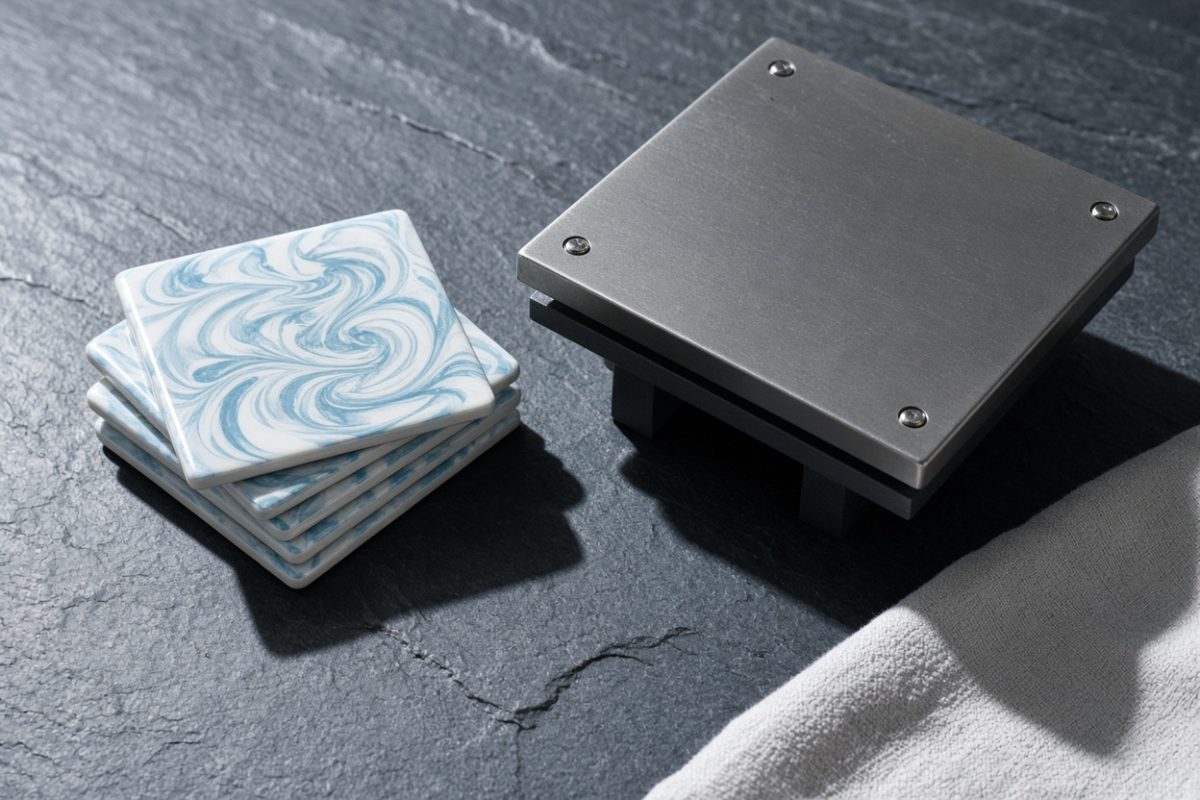
Sublimation coasters are ceramic coasters with the design pressed into a special surface coating using heat. The image isn’t a sticker or a decal. It becomes part of the coaster’s top layer.
That difference matters more than most people think. It changes how the print looks, how it feels under your fingers, and how you should care for it.
Every coaster you just read about is sublimated and finished right here in our studio, so browse our dog breed, sea life and automotive designs to find one that feels like yours.
Learn more →If you’ve ever run a fingertip over a printed coaster and felt a raised edge, that’s usually a sign of a different method. A print on sublimation coasters feels smooth and flat. You can’t peel it or pick at a corner.
At LC Designs, our ceramic coasters and car coaster sets are made in our own studio. Printing, sublimation and finishing all happen in-house. So when we explain the process here, we’re describing work we do every day.
This post walks through how sublimation coasters are made, how they compare to vinyl, and how to keep them looking good. We’ll also cover car coasters and choosing a breed set as a gift.
How Sublimation Printing Works on Ceramic
Sublimation starts with special ink printed onto transfer paper. At this stage, the design looks a bit dull. The real colour shows up later, once heat does its job.
The paper is placed face down on a coated ceramic blank. Then heat and pressure are applied together. Under that heat, the ink turns into a gas without becoming liquid first.
That gas moves into the coating on the ceramic surface. As things cool, the ink settles inside that coating. The result is an image sitting within the surface rather than on top of it.
Plain ceramic won’t take sublimation ink on its own. The coating is what makes sublimation coasters work. Without it, the ink has nothing to bond with, and the design wouldn’t hold.
A few things have to go right for a clean print:
- The transfer has to sit flat with no shifting.
- Heat and timing need to suit the blank.
- Pressure has to be even across the surface.
- The finished piece needs checking once it cools.
That last step is a big one for us. A piece only goes in the shop when the print and the finish are right. If the colour is off or the edge blurs, it doesn’t get listed.
Sublimation vs. Vinyl Coasters
Vinyl coasters use a thin cut or printed film applied to the surface. It’s a common method and it has its place. But it behaves differently from the print on sublimation coasters.
The easiest way to tell them apart is by touch. Vinyl usually sits on top, so you can often feel an edge. A sublimated design is smooth because it lives inside the coating.
Detail is another difference. Sublimation handles gradients and fine shading well. That’s handy for designs like a dog’s fur, a bird’s feathers or the soft blues of sea life.
Here’s a quick side-by-side:
- Sublimation: flat to the touch, part of the surface.
- Vinyl: sits on top, may show an edge.
- Sublimation: suits photo-style shading and blends.
- Vinyl: often suits bold, solid shapes.
Neither method is magic. Any printed surface can wear if it’s scrubbed hard or treated roughly, and that includes sublimation coasters. Knowing which one you have just helps you care for it properly.
How to Clean Ceramic Coasters Without Fading the Print
The good news is that cleaning is simple. Gentle is the key word. Most wear on printed coasters comes from harsh scrubbing, not everyday use.
For regular cleaning of sublimation coasters, a soft cloth and a little mild dish soap in warm water does the job. Wipe the surface, rinse lightly, and dry it with a soft towel or paper towel.
Here are a few habits worth keeping:
- Use a soft cloth or sponge, never a scouring pad.
- Skip abrasive cleaners and powders.
- Avoid bleach and strong chemical sprays.
- Don’t leave coasters soaking for long periods.
- Dry them fully before stacking.
Sticky rings from juice or pop can need a second pass. Let a damp cloth sit on the spot for a minute. Then wipe gently instead of scrubbing.
Many coasters have a backing on the underside. Keep that part as dry as you can. Wiping the top and leaving the back alone is usually the smart move.
If you’re unsure about something like a dishwasher, check the product listing first. When in doubt, hand washing is the gentlest choice for any printed piece.
How to Clean and Care for Ceramic Car Coasters
Car coasters live a tougher life than the ones on your coffee table. They deal with spilled coffee, crumbs, road grit and big temperature swings. A little regular care goes a long way.
Pop them out of the cup holder every so often. Shake off loose crumbs and dust first. Then give the top a wipe with a soft, damp cloth.
For coffee or tea spills, clean them sooner rather than later. A quick wipe at the next stop beats tackling a dried ring a week later.
A few car-specific tips:
- Let them dry completely before putting them back.
- Don’t use car interior sprays directly on the print.
- Check the cup holder itself for gunk now and then.
- Handle them carefully, since ceramic can chip if dropped.
Our car coaster sets come in themes like dog breeds, sea life and automotive designs. They’re small things, but they’re often the bit of the car people notice. Keeping them clean keeps that little detail looking sharp.
Choosing a Dog Breed Coaster Set as a Gift
A breed coaster set is a lovely gift for a dog owner. It shows you noticed what matters to them. Most people light up when they spot their own breed.
Start with the obvious question: what breed is their dog? Our catalogue is organized by breed, such as a Golden Retriever in Flowers Ceramic Car Coaster Set. That makes searching quick.
Next, think about where they’ll use it. Someone with a long commute might love a car coaster set. A homebody might prefer sublimation coasters for the living room.
A few things to consider before buying:
- The exact breed, since look-alike breeds can differ.
- Whether the design style suits their taste.
- Home use versus car use.
- Whether they’d enjoy a theme like flowers alongside the dog.
Our products are sold as listed, so read the description and check the photos. That way you’ll know exactly what’s arriving. If you pass along a quick care note too, the gift lasts longer.
Printed ceramic rewards a gentle hand. Understand how the design sits in the surface of sublimation coasters, treat them kindly, and they’ll keep looking good for a long time.
Related Reading
- What Is Sublimation Printing and Why Does It Work on Ceramic?
- How to Clean Ceramic Coasters Without Fading the Print
- Sublimation vs. Vinyl Coasters: How the Prints Actually Differ
- How to Clean and Care for Ceramic Car Coasters
- Choosing a Dog Breed Coaster Set as a Gift for a Pet Owner
Frequently Asked Questions
What exactly is a sublimation coaster?
A sublimation coaster is a ceramic coaster with the design pressed into a special surface coating using heat. The image isn't a sticker or a decal, so it becomes part of the coaster's top layer. That's why the print feels smooth and flat and you can't peel it or pick at a corner.
How does sublimation printing work on ceramic?
Special ink is printed onto transfer paper, which is then placed face down on a coated ceramic blank. Heat and pressure are applied together, turning the ink into a gas without it becoming liquid first. That gas moves into the coating, and as the piece cools the ink settles inside it, so the image sits within the surface rather than on top.
Why can't sublimation ink be used on plain ceramic?
Plain ceramic won't take sublimation ink on its own because there's nothing for the ink to bond with. The special coating on the blank is what makes sublimation coasters work. Without it, the design simply wouldn't hold.
How can I tell a sublimation coaster from a vinyl one?
The easiest way is by touch. Vinyl is a thin film applied to the surface, so you can often feel a raised edge. A sublimated design feels smooth because it lives inside the coating.
Is sublimation good for detailed designs like dog breeds and sea life?
Yes, sublimation handles gradients and fine shading well, which suits details like a dog's fur, a bird's feathers or the soft blues of sea life. Vinyl tends to suit bold, solid shapes instead. That's one reason LC Designs uses sublimation for its dog breed, sea life and automotive coaster designs.
Are LC Designs coasters made in-house?
Yes, LC Designs makes its ceramic coasters and ceramic car coaster sets in its own studio, with printing, sublimation and finishing all done in-house. Each piece is checked once it cools, and it only goes in the shop when the print and finish are right. If the colour is off or an edge blurs, it doesn't get listed.

